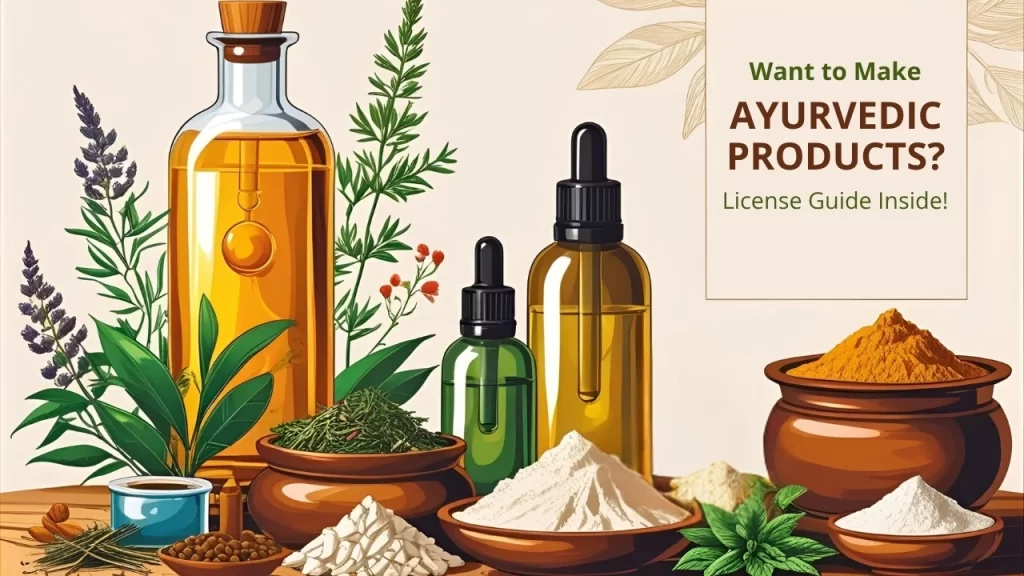
Ayurveda, India’s ancient system of holistic healing, is witnessing a strong resurgence both nationally and globally. As demand for natural and Ayurvedic solutions continues to grow, so does the interest in starting Ayurvedic manufacturing businesses. But before you can bring your herbal formulations to life, understanding the ayurvedic products manufacturing license in India is critical. This license is not just a legal necessity but a gateway to ensuring quality, compliance, and trust among consumers.
Ayurvedic Third Party Manufacturing Company
Whether you’re a new entrepreneur, a healthcare professional, or a growing wellness brand, navigating the Ayurvedic Manufacturing License process can be overwhelming. This guide will break it down step-by-step, covering eligibility, application, compliance, and the ayurvedic manufacturing requirements needed to run a successful Ayurvedic unit in India.
What is an Ayurvedic Manufacturing License?
An Ayurvedic Manufacturing License is a government-issued approval granted to individuals or companies to manufacture, sell, or distribute Ayurvedic, Siddha, and Unani medicines. This license is regulated under the Drugs and Cosmetics Act, 1940, ensuring that Ayurvedic medicines meet safety, efficacy, and quality standards.
Who Needs an Ayurvedic Products Manufacturing License in India?
Anyone intending to manufacture Ayurvedic formulations for commercial use must obtain the ayurvedic products manufacturing license in India. This applies to:
- New startups in the herbal or Ayurvedic industry
- Ayurvedic clinics selling their own branded products
Click to Find out ≫ Best Selling Ayurvedic Products for Business
- Exporters dealing with Ayurvedic goods
- Private label or third-party manufacturers
Without this license, manufacturing and selling Ayurvedic medicines is illegal and could lead to severe penalties.
Regulatory Bodies & Governing Acts
Ayurvedic product licensing in India is governed by:
- AYUSH Ministry (Ministry of Ayurveda, Yoga & Naturopathy, Unani, Siddha and Homeopathy)
- State Licensing Authorities (Drug Inspectors for AYUSH)
- Drugs and Cosmetics Act, 1940 – Chapter IV-A
These ensure compliance, licensing, and regular inspection of manufacturing units to uphold standards in the quality control of Ayurveda drugs.
Types of Ayurvedic Manufacturing Licenses
Depending on your business model, the following types of licenses are issued:
a) Manufacturing License
Issued to entities with their own manufacturing units, infrastructure, and staff.
b) Loan License
Issued to entrepreneurs who use third-party manufacturing facilities (without owning the infrastructure).
c) Contract/Third-Party Manufacturing License
Brands or marketers tie-up with licensed manufacturers (like Ayubal Wellness) to produce goods under their brand name.
╰┈➤ Ayurvedic Contract Manufacturing for E-Commerce
Documents Required for License Application

To apply for the Ayurvedic Manufacturing License, prepare the following:
- Application Form (as per Schedule-T)
- Company registration certificate
- Proof of premises (rental agreement/ownership)
- Site plan and layout
- Details of technical staff (BAMS/Pharmacy qualification)
- Manufacturing equipment list
- Quality control lab details
- Product formulations (along with reference to Ayurvedic texts)
- GMP and COPP certificates (if available)
Ayurvedic Manufacturing Requirements: Infrastructure & Manpower
Complying with ayurvedic manufacturing requirements is non-negotiable:
- Area: Minimum 1200 sq. ft. for a basic unit (varies with categories)
- Separate sections: Raw materials, processing, packaging, storage, QC lab
- Manpower: At least 1 Ayurvedic expert (BAMS) and 1 pharmacist/technical staff
- Machinery: Depending on product category – churners, grinders, granulators, tablet machines, etc.
Your facility must meet Good Manufacturing Practices (GMP), which ensure hygiene, sanitation, waste disposal, and environmental controls.
Quality Control of Ayurveda Formulations – What’s Required?
Every unit must have a dedicated quality control section. Quality Control of Ayurveda Formulations includes:
- Testing of raw herbs for purity and identity
- Microbial and heavy metal analysis
- Monitoring shelf-life and stability
- Batch record maintenance
This ensures the safety, consistency, and efficacy of each Ayurvedic product batch.
Understanding the Role of GMP in Ayurveda
GMP (Good Manufacturing Practices) is crucial to Ayurveda. The WHO has issued guidelines specific to quality control of Ayurveda drugs, which every licensed facility must follow.
Key GMP standards include:
- Ventilation and lighting in processing zones
- Hygiene training for staff
- Pest control and sanitation
- Proper documentation and batch traceability
Quality Assurance of Ayurvedic Medicine: Best Practices
Quality assurance goes beyond lab testing. It ensures the product is consistently manufactured with the same efficacy and safety.
Key areas under quality assurance of Ayurvedic medicine:
- Verification of herbal ingredients
- In-process checks (weight, pH, color, etc.)
- Labelling compliance
- Adherence to classical Ayurvedic texts
- Documentation of standard operating procedures (SOPs)
Step-by-Step Application Process
Here’s a simplified flow for applying:
- Register your company
- Find premises and set up infrastructure
- Hire qualified staff (BAMS doctor + pharmacist)
- Compile required documentation
- Submit application to AYUSH state licensing authority
- Site inspection by Drug Inspector
- License issuance upon approval
The whole process typically takes 60–90 days depending on location and documentation.
License Validity & Renewal
- The license is usually valid for 5 years.
- Renewal must be done before the expiry date to avoid reapplication.
- Periodic inspections are conducted to ensure compliance.
Common Challenges Faced During Licensing
- Delays due to improper documentation
- Lack of clarity on ayurvedic manufacturing requirements
- Non-compliance with infrastructure layout or GMP
- Inexperienced or under-qualified staff
- Licensing authority backlog in some states
Working with experienced consultants or partners can significantly ease the process.
How to Ensure Compliance in Manufacturing Units
- Maintain up-to-date SOPs
- Conduct regular internal audits
- Keep detailed batch manufacturing records
- Follow quality control of Ayurveda formulations and periodic testing
- Renew licenses, GMP, and other certifications on time
Cost Involved in Setting Up an Ayurvedic Manufacturing Unit
The cost depends on:
- Product categories (syrups, tablets, powders, oils, etc.)
- Plant size and location
- Equipment and QC lab investment
- Licensing and compliance costs
For a small unit, expect an initial investment of ₹20–₹50 lakhs. Larger or export-oriented units may require over ₹1 crore.
╰┈➤ Investment Opportunities in Ayurvedic Manufacturing
Role of Quality Control of Ayurveda Drugs in Building Credibility
Modern consumers—especially export buyers—demand assurance on safety, traceability, and efficacy. The quality control of Ayurveda drugs directly impacts your brand’s credibility and product approval for international markets.
- Ensure testing for heavy metals and pathogens
- Label transparency
- Batch-wise traceability
- Documented compliance reports
All these enhance trust and meet regulatory expectations globally.
Why Choose Ayubal Wellness for Contract Manufacturing?
If you’re looking to launch your Ayurvedic brand without setting up your own facility, it offers a turnkey solution. With GMP-certified units, expert Ayurvedic formulators, and a robust quality system, Ayubal supports startups and established brands in delivering market-ready, compliant, and high-efficacy Ayurvedic products.
Frequently Asked Questions (FAQs)
Q1. Can I get an Ayurvedic Manufacturing License without a BAMS doctor?
No. At least one BAMS doctor or Ayurvedic expert must be on staff to qualify for the ayurvedic products manufacturing license in India.
Q2. How long does it take to get the Ayurvedic Manufacturing License?
It generally takes 2 to 3 months, provided all documentation and infrastructure are in place.
Q3. What is the difference between Loan License and Third-Party Manufacturing?
• Loan License: You use another licensed manufacturer’s facilities but obtain a license in your name.
• Third-Party: You don’t need a license; the third-party manufacturer uses their license to make your product.
Q4. Is GMP certification mandatory?
Yes. GMP certification is essential to meet ayurvedic manufacturing requirements and is a prerequisite for obtaining the license.
Q5. Do I need a separate Quality Control lab?
Yes. Quality control of Ayurveda formulations mandates a functional lab equipped with tools and qualified personnel for raw and finished product testing.
Obtaining an Ayurvedic Manufacturing License is not just about meeting legal mandates, it’s about commitment to quality, safety, and the ancient science of Ayurveda. With increasing consumer awareness and global demand, building your Ayurvedic brand on a foundation of compliance, ethical sourcing, and standardized production is non-negotiable.
Invest in understanding the ayurvedic products manufacturing license in India, meet the ayurvedic manufacturing requirements, and align your processes with the principles of quality assurance of Ayurvedic medicine. Whether you’re starting from scratch or scaling your wellness venture, following the right licensing and quality protocols ensures long-term success and customer trust.


